1. Climate and Livelihood Improvement Program (CLIP)
The Climate and Livelihood Improvement Program (CLIP) is RDF’s flagship initiative designed to build climate resilience and strengthen sustainable livelihoods in both rural and urban communities of Sindh.
The program takes an integrated approach, combining climate-smart agriculture, micro-enterprise development, and natural resource management to support vulnerable populations in adapting to environmental challenges and improving their economic well-being.
CLIP promotes climate-resilient food systems by empowering farmers and urban households to adopt sustainable agricultural techniques, improve food production, and reduce dependence on external supplies. Initiatives such as micro-gardening, poultry farming, and urban food markets help enhance household nutrition and income security.
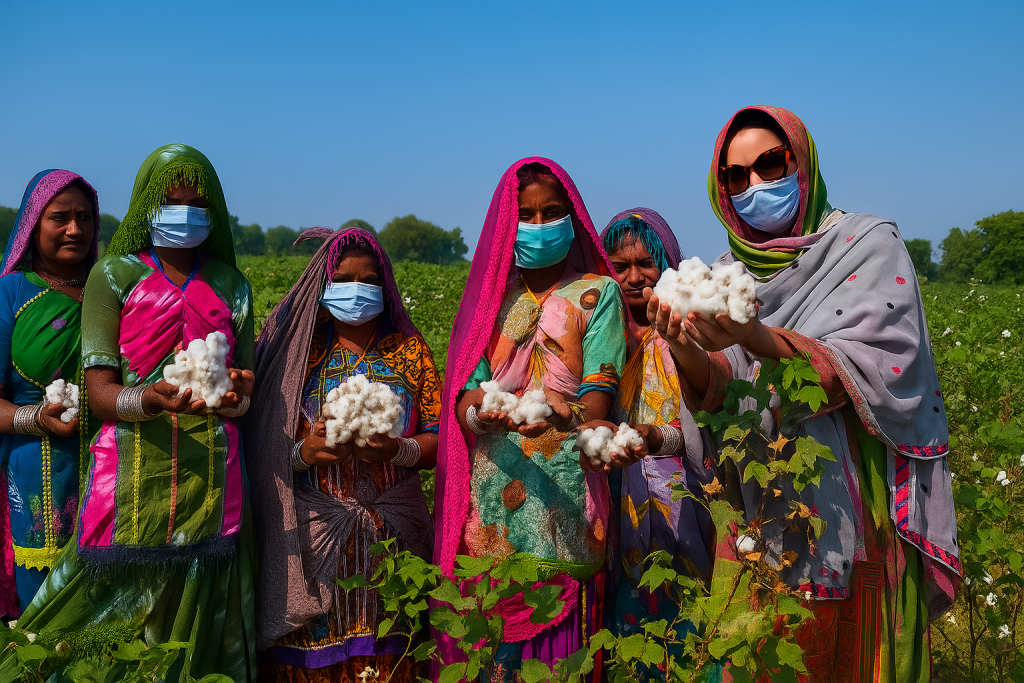
In addition to its core interventions, CLIP incorporates sustainable cotton production under the Better Cotton Initiative. Through this, RDF promotes environmentally responsible farming practices among cotton growers, focusing on efficient water use, reduced chemical inputs, and improved soil health. The initiative also enhances farmer knowledge on climate-smart techniques, strengthens market linkages, and fosters inclusive value chains, contributing to both climate resilience and rural income generation.
The program also supports sustainable value chains through targeted training, resource provision, and demonstration plots that promote eco-friendly practices in cotton, horticulture, and livestock. Special emphasis is placed on women’s empowerment,
providing female farmers and entrepreneurs with leadership training, access to productive assets, and increased participation in local markets.
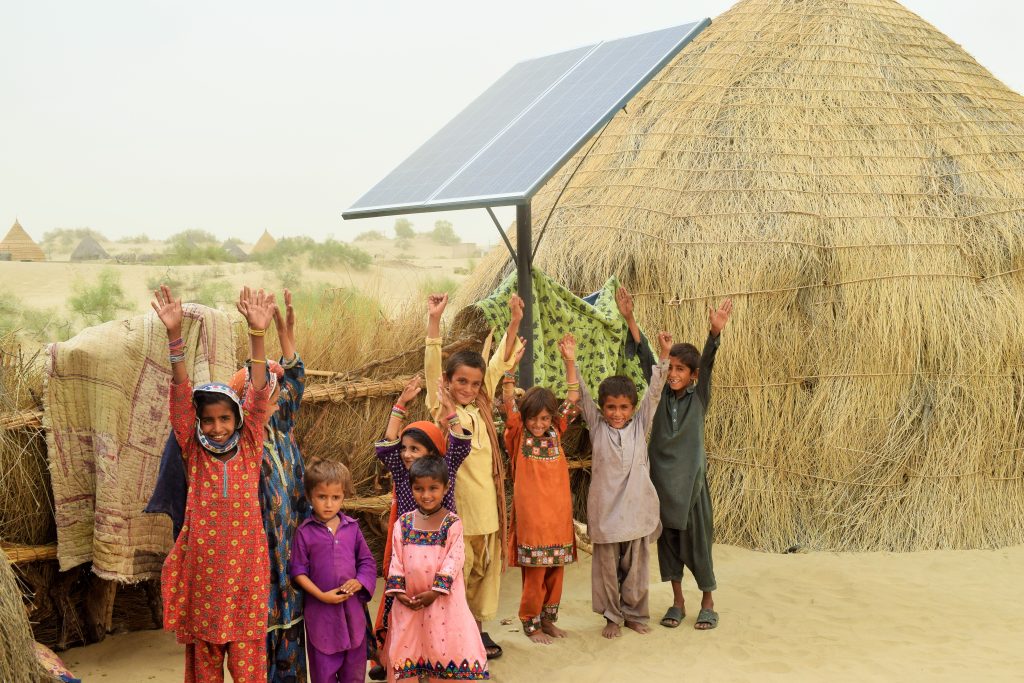
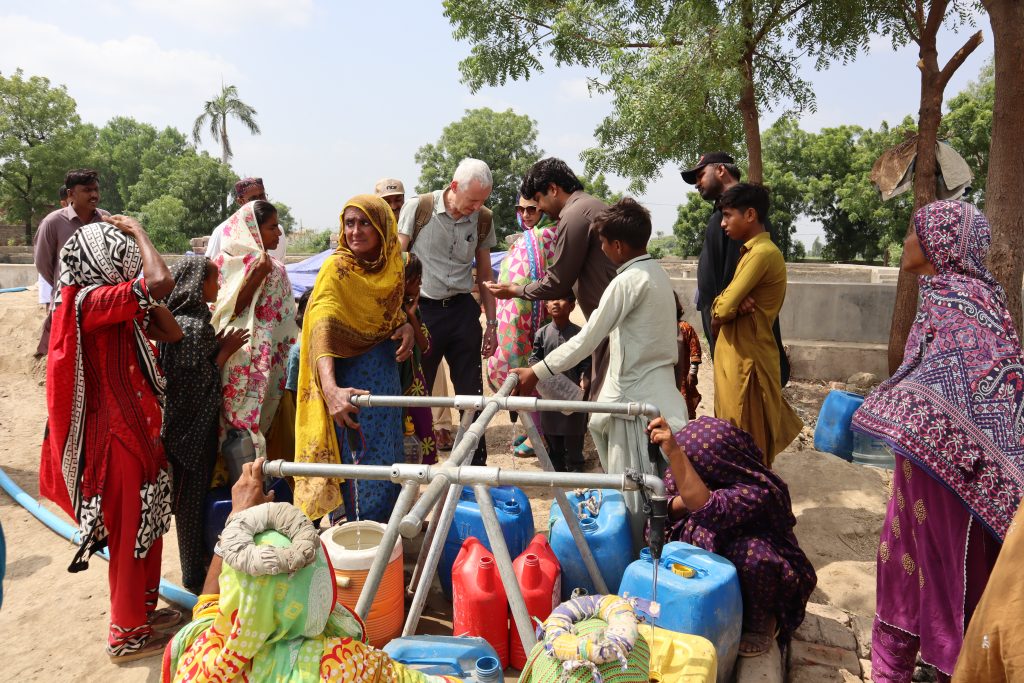
CLIP strengthens water and land resource management through the construction of traditional and modern irrigation systems, community-led water infrastructure, and solar-powered facilities. These interventions improve access to water for both agriculture and domestic use while promoting environmental sustainability.
Through the promotion of micro, small, and medium enterprises (MSMEs), CLIP fosters financial inclusion, business linkages, and market access. The program builds entrepreneurial capacity and supports small producers with technical assistance, networking platforms, and opportunities for market exposure.
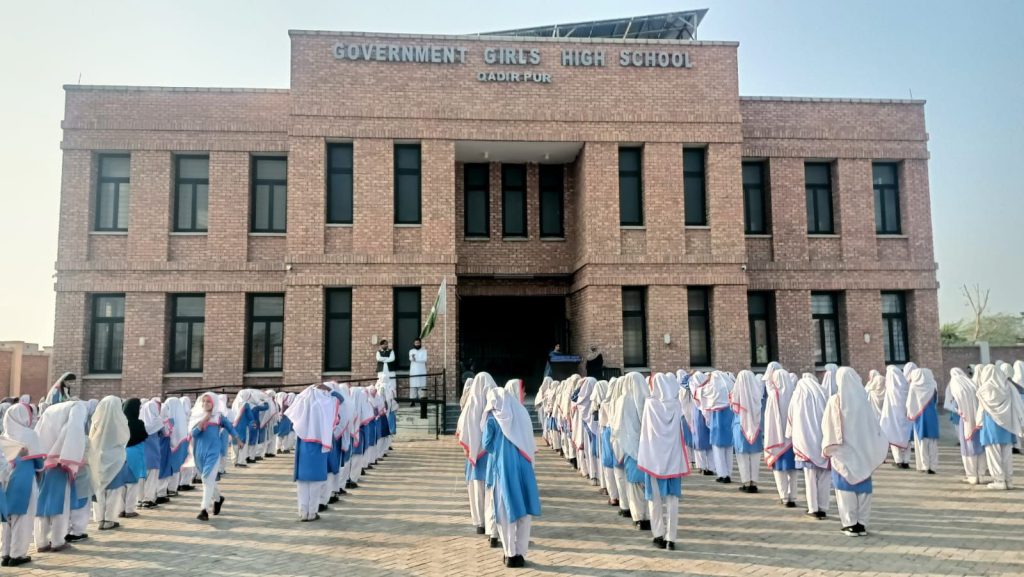
Youth engagement, gender inclusion, and environmental stewardship are cross-cutting themes of CLIP. The program builds the skills and leadership of young people, promotes women’s economic participation, and integrates afforestation, climate education, and resource conservation into its interventions.
Looking ahead, CLIP will continue to expand its impact by scaling successful models, deepening institutional partnerships, and reinforcing climate- adaptive livelihoods that are inclusive, equitable, and sustainable.
This governance structure ensures transparency, accountability, and effective decision-making within RDF.